


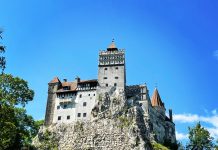


Medieval cities, mountain landscapes and timeless folklore in the heart of Romania
Few regions in Europe stir the imagination quite like Transylvania. For many travellers the name alone conjures images of Gothic castles, misty forests and the enduring legend of Dracula. Yet beyond the folklore lies one of Europe’s most captivating and culturally rich regions; a landscape of medieval towns, vibrant cities and sweeping mountain scenery.
Set among the dramatic ridges of the Carpathian Mountains, Transylvania reveals a fascinating blend of Romanian, Hungarian and Saxon heritage. Colourful baroque facades, Gothic churches and cobbled squares sit alongside lively cafés and modern creative culture.
A long weekend exploring Cluj-Napoca and Brașov offers an ideal introduction to this compelling corner of Eastern Europe. In just four days it is possible to wander historic city squares, descend into vast underground salt mines, explore medieval fortresses and experience some of the most spectacular scenery in the region, all while enjoying warm hospitality and remarkably good value.
Arrival in the Heart of Transylvania
Travelling to Transylvania from the UK is refreshingly straightforward. Direct flights connect London Luton with Cluj-Napoca, the largest city in the region and a vibrant gateway to Transylvania’s historic towns and natural landscapes.
The flight takes around three hours, just enough time to enjoy a coffee, or Gin and Tonic, above the clouds before descending over the rolling hills and forests of northern Romania.
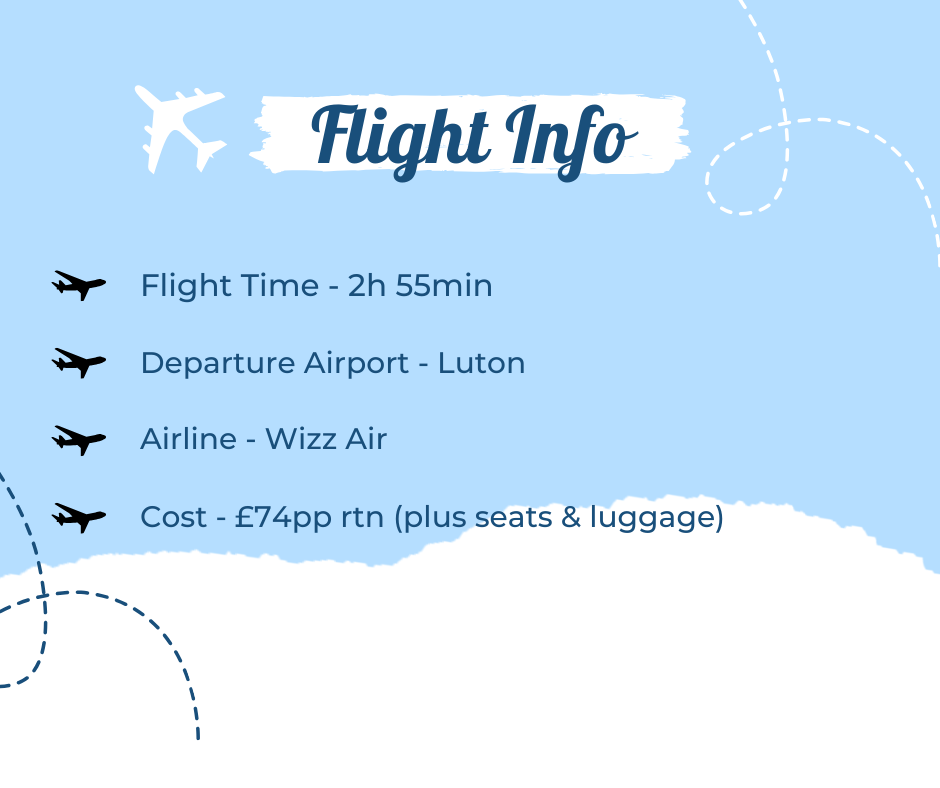
Cluj International Airport sits just 20 minutes from the city centre, meaning visitors can be wandering through the city’s historic squares within minutes of landing.
Cluj-Napoca: Transylvania’s Cultural Capital
Often referred to as the unofficial capital of Transylvania, Cluj-Napoca is a city that effortlessly blends history with contemporary energy.
Being a University city, a large student population gives Cluj-Napoca a youthful and creative atmosphere, while centuries-old architecture provides a dramatic backdrop to modern cafés, galleries and restaurants.
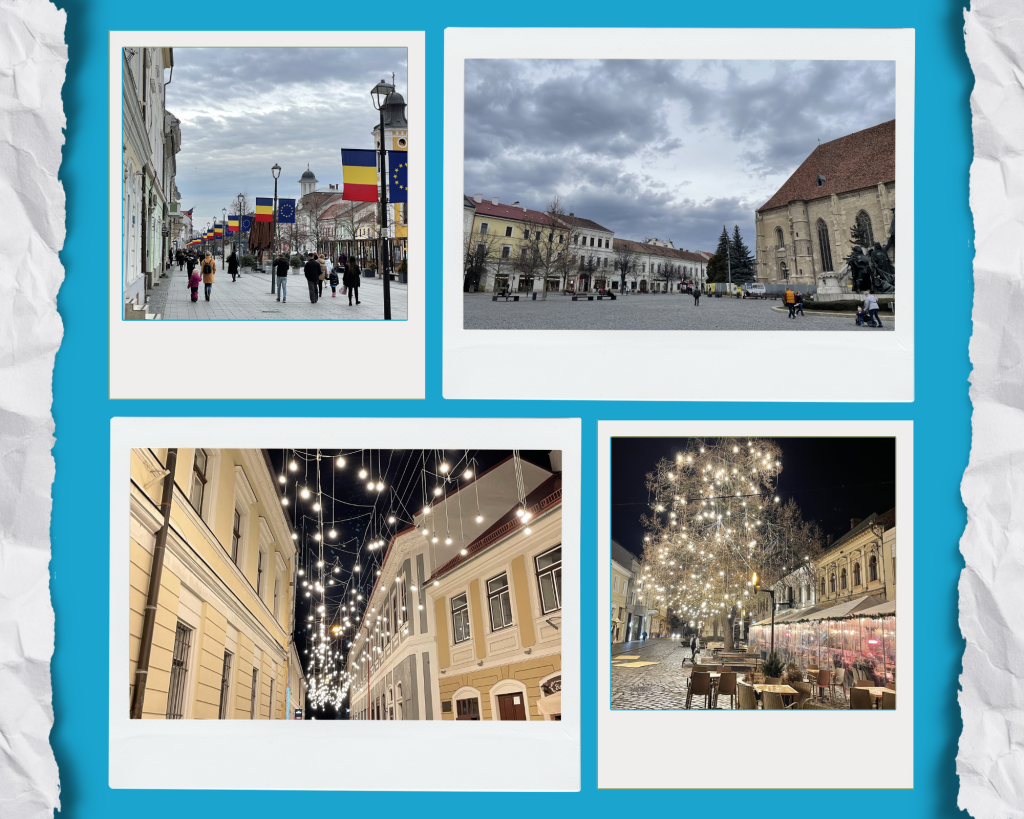
At the heart of the city lies Piața Unirii (Union Square), one of the most impressive public squares in Romania. Framed by pastel-coloured buildings and lively terraces, the square is dominated by the striking Gothic tower of St Michael’s Church, whose slender spire rises above the rooftops.
Nearby stands the statue of King Matthias Corvinus, one of Hungary’s most celebrated historical figures who was born in Cluj during the 15th century.
The Old Town is compact and largely pedestrianised, making it ideal for leisurely exploration. Wandering the streets reveals boutique shops, historic courtyards and an ever-present café culture that invites visitors to pause for an espresso or a glass of local wine.
As evening approaches the city takes on a new rhythm. Restaurants begin to fill, musicians appear in the squares and warm lights illuminate the historic facades.
A Stylish Base in the City
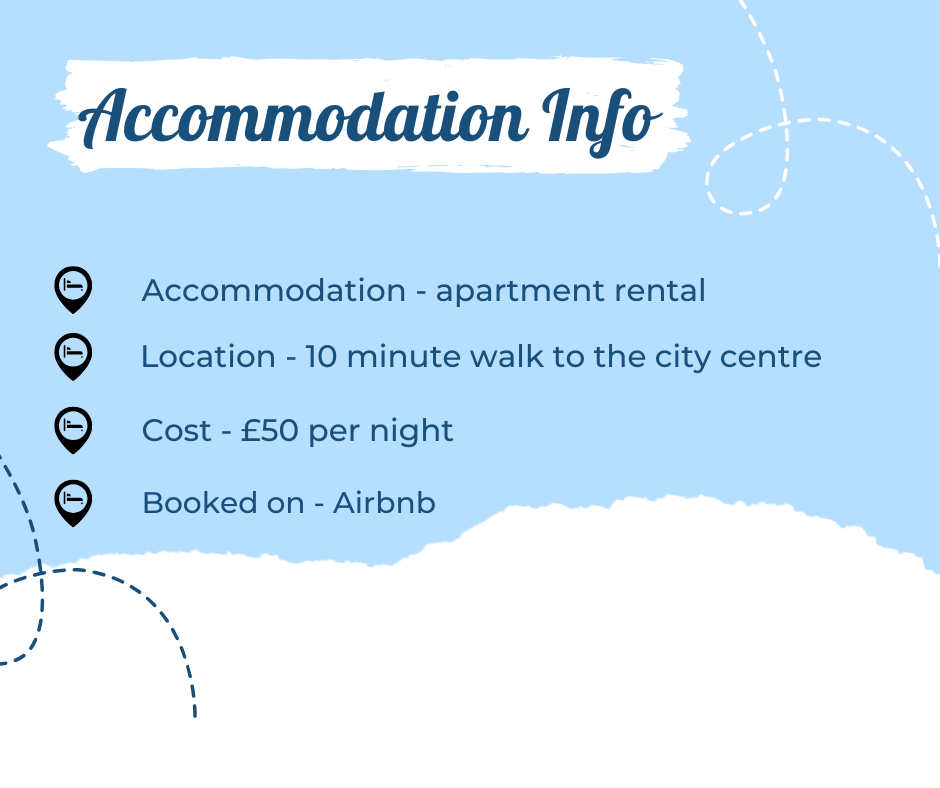
Accommodation in Cluj-Napoca ranges from boutique hotels to modern apartments, often offering excellent value compared with many Western European cities.
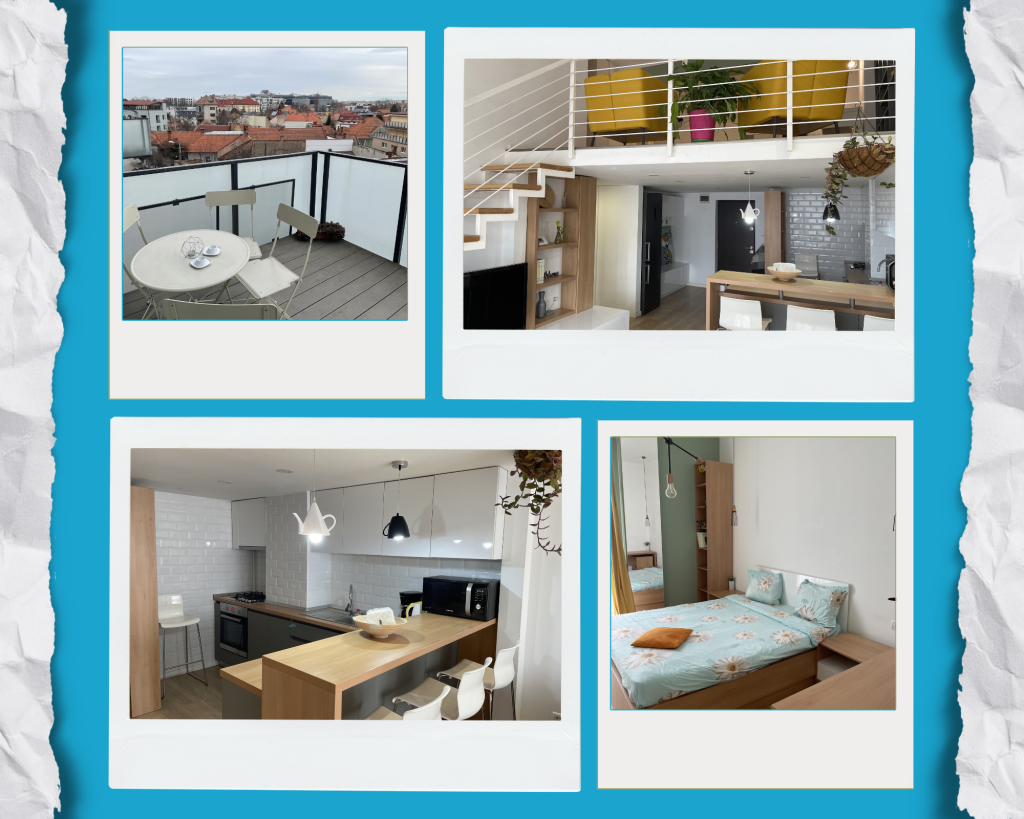
For this trip, a contemporary two-storey apartment just ten minutes from the Old Town proved the perfect base. With spacious living areas, sleek modern design and a balcony overlooking the city skyline, it offered both comfort and convenience.
In the evenings, watching the city lights flicker across the hills from the balcony became a quietly memorable part of the experience, a reminder that some of the best travel moments happen away from the main attractions.
Into the Depths: Salina Turda
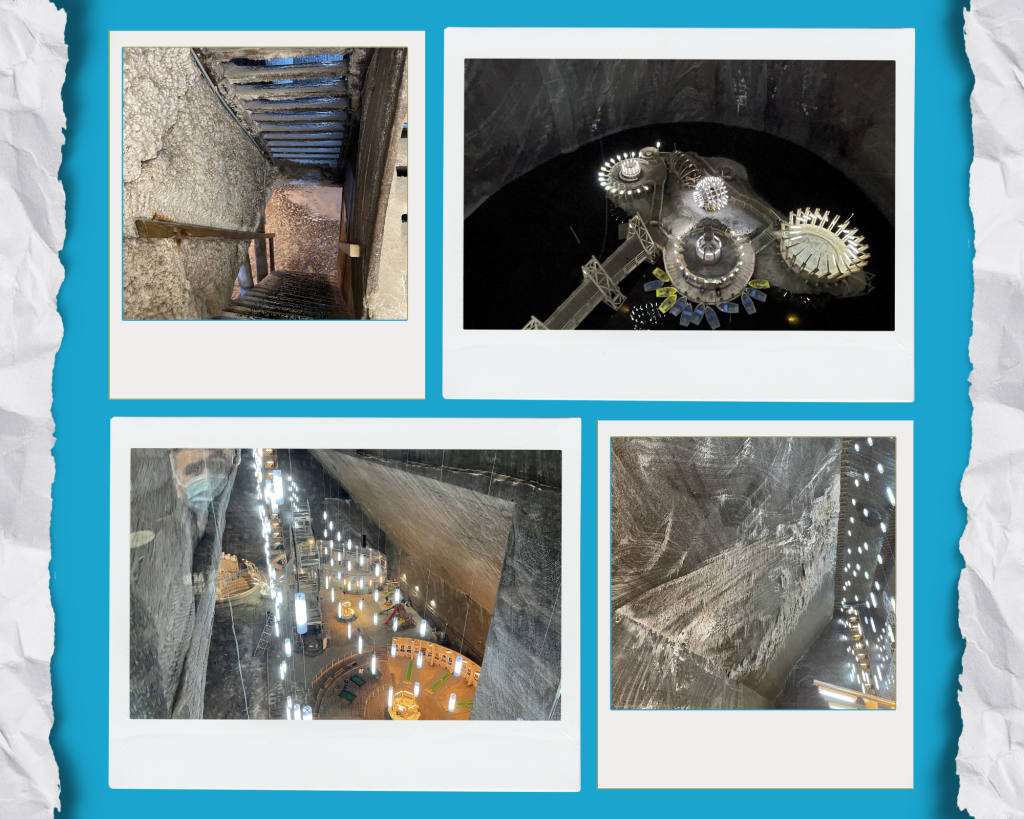
Less than an hour from Cluj-Napoca lies one of the most unusual attractions in Europe, Salina Turda, a vast underground salt mine transformed into a surreal subterranean world.
Mining here dates back to Roman times, and over centuries the extraction of salt carved enormous chambers deep beneath the earth.
Descending into the mine today feels almost like entering another planet. Immense cavernous spaces open up below ground, illuminated by dramatic lighting and connected by wooden walkways suspended high above the cavern floor.
At the centre of the mine lies a remarkable underground landscape complete with a Ferris wheel, mini-golf course and a lake where visitors can row small boats beneath towering salt walls.
The mineral-rich air is believed to have therapeutic qualities, and many visitors come simply to enjoy the calm, cool atmosphere.
Few places combine history, geology and sheer spectacle quite like Salina Turda.
South to Brașov
After several days exploring Cluj-Napoca, the journey continues south toward Brașov, one of the most picturesque cities in Romania.
The drive takes around four hours and passes through rolling countryside, forests and traditional villages that offer glimpses of rural Transylvania largely unchanged by time.
As the road approaches Brașov, the scenery becomes increasingly dramatic. The city sits at the foot of the Carpathian Mountains, surrounded by dense woodland and towering peaks.
A Modern Stay with Mountain Views
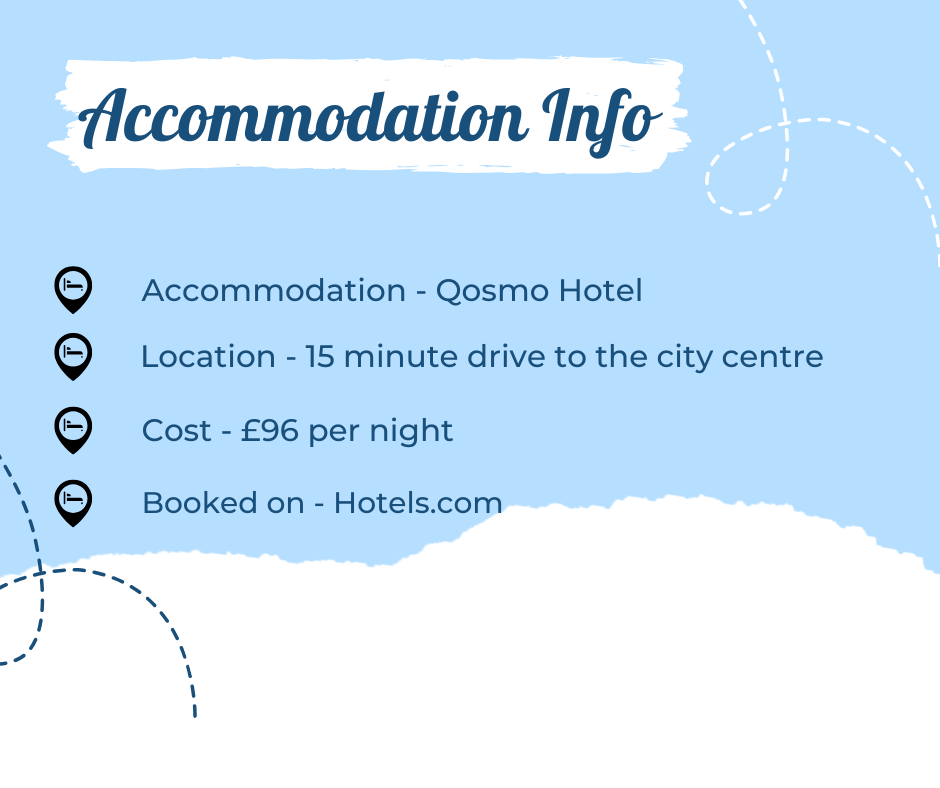
Just outside Brașov’s historic centre stands the contemporary Qosmo Hotel, a sleek and stylish hotel offering panoramic views across the city.
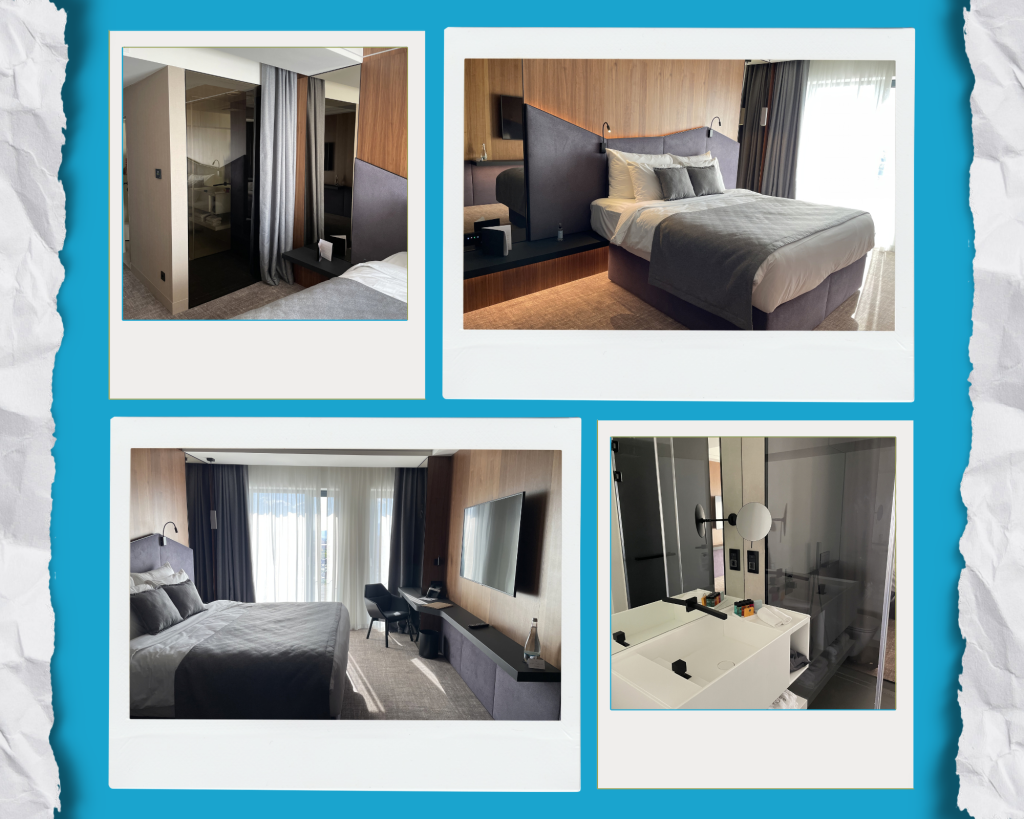
From the upper floors, the scenery is striking, rooftops stretching toward forested hills and distant mountain ridges that glow golden at sunrise and sunset.
The rooms are modern and thoughtfully designed, with large windows that frame the landscape beyond. After a day exploring medieval streets, returning here offers a welcome sense of calm.
A hearty breakfast, served at the hotel provides the perfect start to another day in Transylvania.
Brașov: A Medieval Masterpiece
If Cluj-Napoca represents Transylvania’s vibrant present, Brașov captures its medieval past.
The Old Town feels almost storybook-like. Narrow cobbled streets wind between pastel-coloured buildings, while Gothic towers rise dramatically above the rooftops.
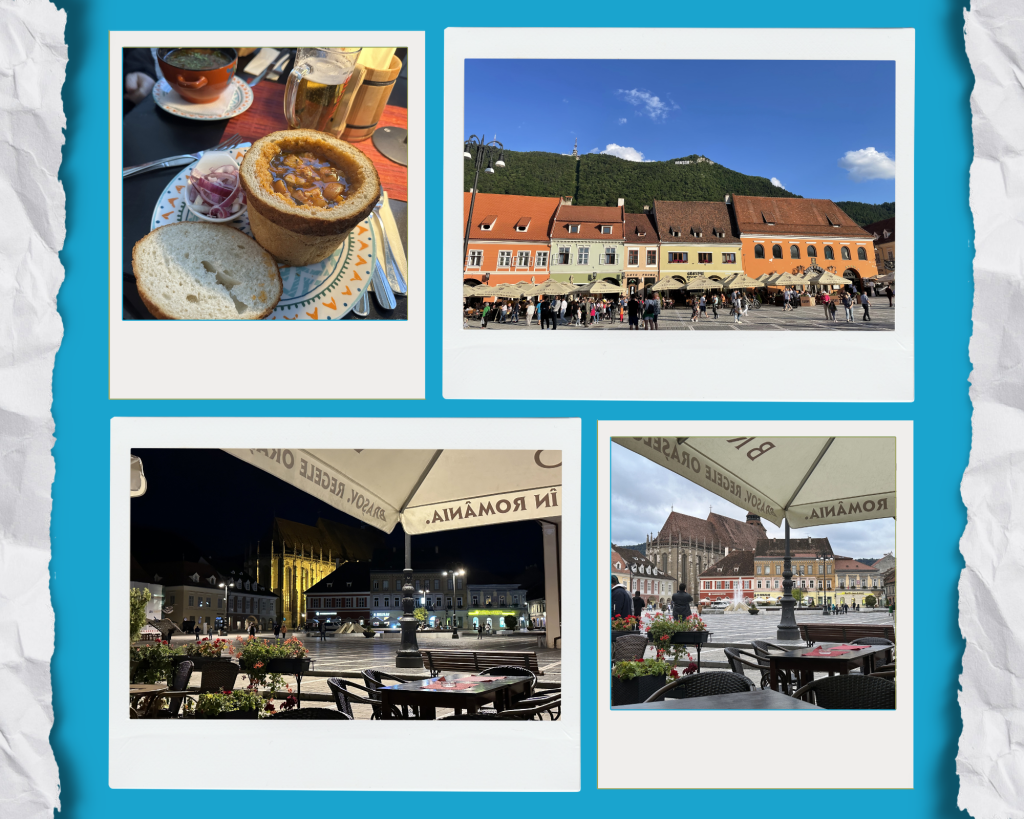
At the centre lies Piața Sfatului (Council Square), one of the most beautiful squares in Eastern Europe. Framed by colourful historic buildings and surrounded by lively cafés and restaurants, the square is both elegant and inviting.
Here visitors can sit beneath the shadow of centuries-old architecture while enjoying traditional Romanian dishes, hearty soups, grilled meats and locally produced cheeses.
With the mountains rising just beyond the city walls, the setting is nothing short of spectacular.
The Black Church
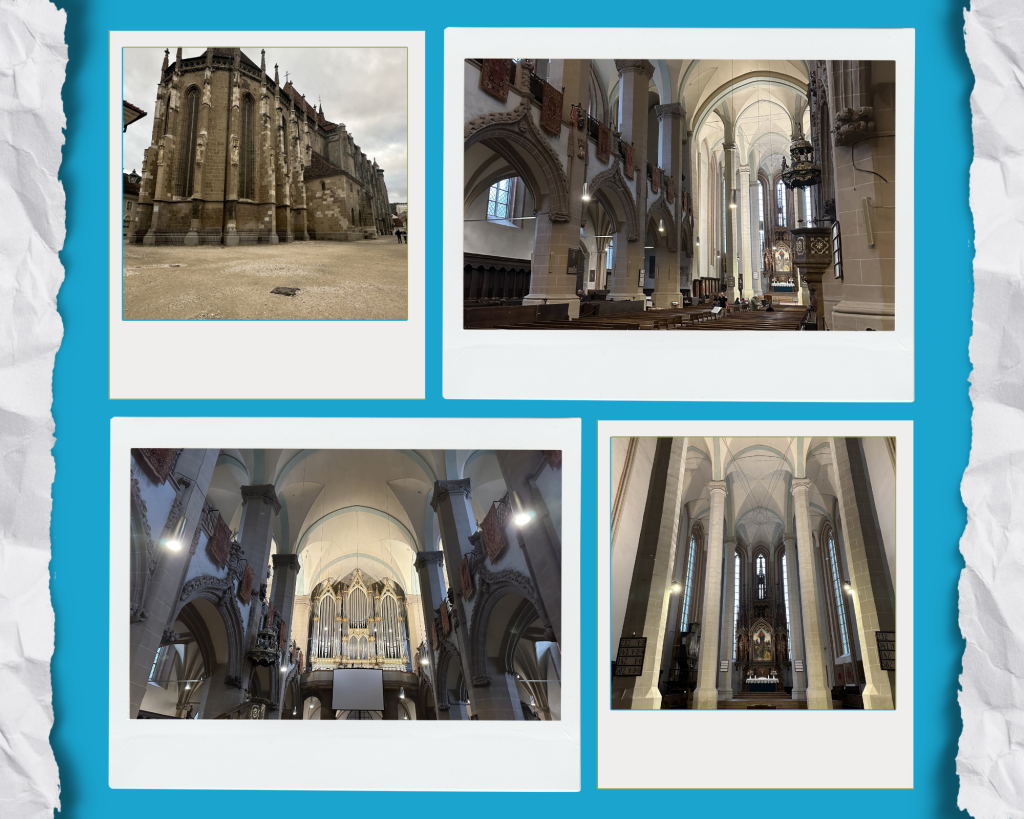
Dominating Brașov’s skyline is Biserica Neagră, or the Black Church; the largest Gothic church in Eastern Europe.
Dating back to the 14th century, the church earned its name after a devastating fire in the 17th century blackened its stone exterior.
Inside, the vast interior reveals soaring columns, historic pipe organs and one of the largest collections of Ottoman carpets outside Turkey.
The atmosphere within the church is grand, and offers a powerful reminder of the city’s centuries of history.
Bran Castle and the Dracula Legend
No journey through Transylvania would feel complete without a visit to Bran Castle, widely known as Dracula’s Castle.
Perched dramatically atop a rocky hill around 30 minutes from Brașov, the fortress is surrounded by dense forest and mountain scenery that feels perfectly suited to gothic legend.
Although the connection to Bram Stoker’s Dracula is largely fictional, the castle’s dramatic silhouette has cemented its reputation as one of the most famous landmarks in Romania.
Inside, narrow staircases wind through towers, secret passages and historic rooms filled with artefacts from centuries past.
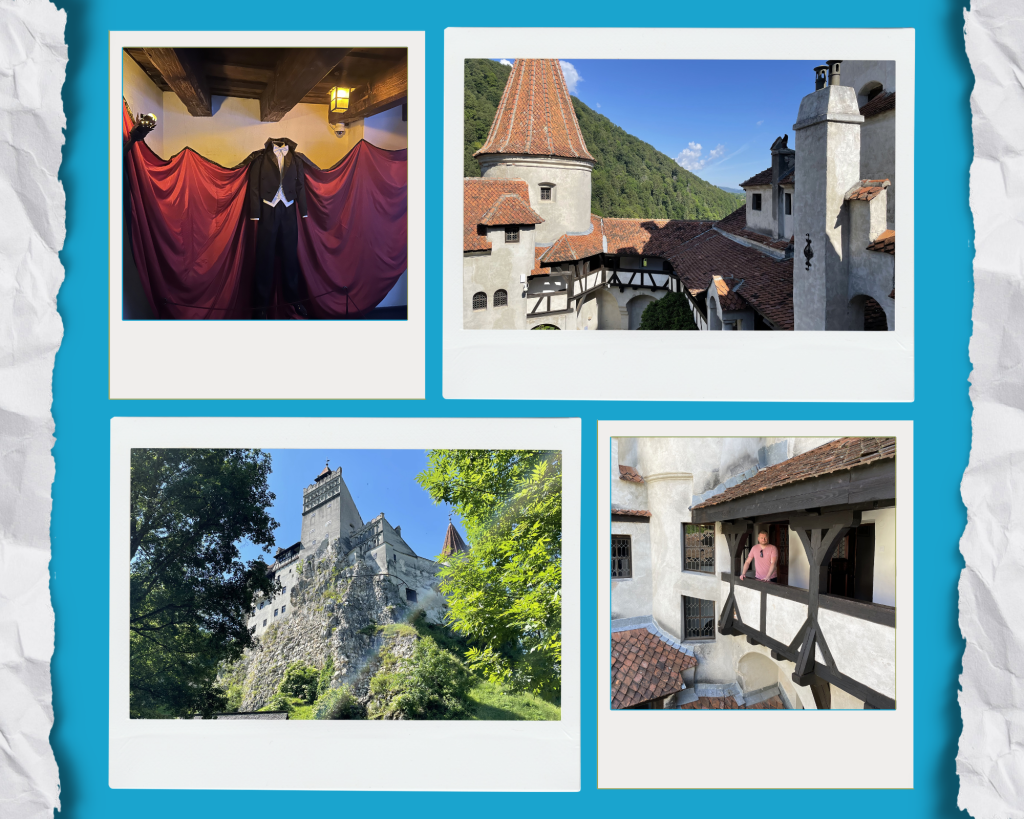
From the upper levels, visitors are rewarded with sweeping views across the surrounding valleys and forests.
At the base of the castle, traditional market stalls sell local crafts, honey products and handmade souvenirs, a charming way to end the visit.
Why Transylvania Should Be on Your Travel Radar
Despite its rich cultural heritage and dramatic landscapes, Transylvania remains relatively undiscovered compared with many European destinations.
Yet it offers everything travellers seek: historic cities, spectacular scenery, fascinating folklore and warm hospitality.
Perhaps most appealing of all is the sense of authenticity. Life in Transylvania still moves at a relaxed pace, allowing visitors to fully appreciate the beauty and character of the region.
A Region Worth Discovering
In just four days, Transylvania reveals a remarkable variety of experiences.
From the lively streets of Cluj-Napoca to the medieval charm of Brașov, from the surreal depths of Salina Turda to the legendary towers of Bran Castle, the region offers an endlessly rewarding journey.
And with easy access from the UK, excellent accommodation and outstanding value, there has never been a better time to discover one of Europe’s most enchanting regions.
For travellers seeking history, culture and scenery with a touch of mystery, Transylvania delivers it all, and more.


Fantastic blog. So informative that it would make me want to visit the country
Many thanks Ann! Glad you enjoyed it! Maybe a destination to add to your list! 🙂
Looks like an interesting place to visit. Like the idea of Dracula’s castle, would feel like he’s looking over your shoulder all the time lol… Salina Turda looks amazing, wow.
Very interesting, so much history there! you should definitely plan a visit!!!